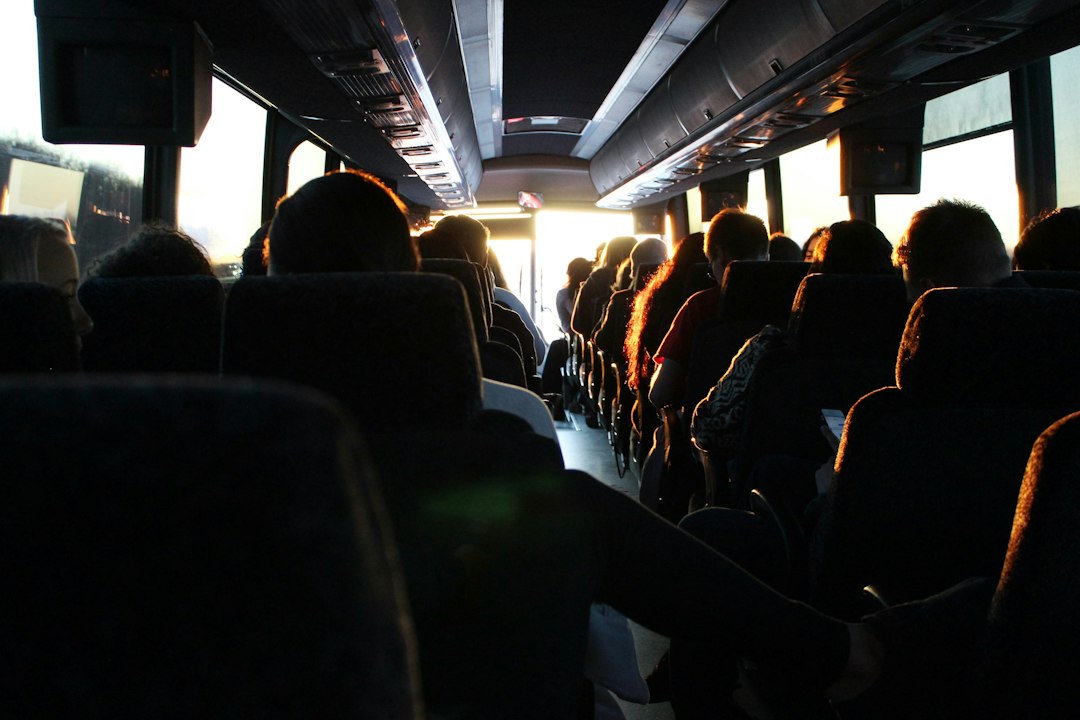
After more than 20 years of organizing group travel, I’ve developed a habit of paying particularly close attention to the first hour of a trip.
It’s not necessarily the most exciting part of the experience. Nobody has visited a museum, attended a Broadway performance, or explored a historic neighborhood yet. Most people are still organizing their luggage, finding their seats, or introducing themselves to the people around them.
But I’ve learned that those first 60 minutes can tell you quite a bit about how the rest of the trip might unfold.
People arrive with different expectations, experience levels, and ideas about what a well-organized trip should look like. Some are excited and ready to get moving. Others are nervous about traveling somewhere unfamiliar. A few are already concerned about whether everything will run on schedule.
As the person responsible for coordinating the experience, I try to notice those things early.
Not because I think I can predict everyone’s behavior after meeting them for an hour. I’ve been doing this long enough to know that people can surprise you. But the start of a trip offers a chance to set expectations, address concerns, and help people feel comfortable before small uncertainties become bigger frustrations.
The First Impression Begins Before the First Activity
I think people start forming opinions about a trip long before they reach their destination.
They notice whether the departure instructions were clear, whether someone is available to answer questions, and whether the transportation arrangements seem organized.
If a traveler arrives at a meeting location and isn’t sure where to go, that uncertainty can affect their confidence in everything that follows.
I’ve learned to think carefully about the information people receive before departure. Do they know where they’re supposed to meet? Have they been told what time they need to arrive? Do they understand what happens with their luggage?
These might seem like obvious details, but what seems obvious to someone who organizes trips regularly isn’t necessarily obvious to someone who travels only once or twice a year.
I try to remember that distinction.
When I founded Champ Tours in 2024, one thing I wanted to carry forward from my previous experience was the importance of making travel arrangements understandable to the people participating.
An itinerary can be beautifully organized, but if travelers feel confused before the trip even begins, you’ve already created an avoidable problem.
You Can Learn a Lot From the Questions People Ask
During the first hour, I listen for what people want to know.
Some ask practical questions. Where will we stop for lunch? How much walking should we expect? What time will we return to the hotel?
Others want reassurance. Are we going to have enough time at a particular attraction? Will there be opportunities to explore independently? What happens if someone gets separated from the group?
I’ve learned that questions aren’t always just requests for information. Sometimes they reveal what matters most to a person.
Someone who asks several questions about timing may be worried about missing an activity they’re particularly excited about. A traveler who wants to know where the nearest restroom will be might have a concern they don’t feel comfortable discussing in front of everyone.
I don’t assume I know the reason behind every question, but I try not to dismiss questions simply because I’ve answered them many times before.
There have been occasions when I’ve caught myself thinking that a particular detail was already explained in the itinerary. Then I remind myself that reading something and feeling confident about it aren’t always the same thing.
The Group Is Still Figuring Out How to Be a Group
One interesting thing about organized travel is that people can begin a trip as complete strangers and spend the next several days sharing experiences.
That doesn’t happen automatically.
During the first hour, you can often see people trying to figure out where they fit. Some introduce themselves immediately. Others stay close to the people they already know. A few prefer to sit quietly and observe.
I don’t think there’s anything wrong with any of those approaches.
Earlier in my career, I probably felt more pressure to encourage everyone to interact right away. Now I’m more comfortable allowing relationships to develop naturally.
A simple introduction can help, and so can creating opportunities for conversation. But I don’t believe everyone needs to become friends before the bus leaves the parking lot.
Sometimes people need a little time.
I’ve also noticed that the person who seems quiet or reserved at departure can become one of the most enthusiastic travelers once the group settles in. That’s one reason I try not to form strong opinions about people too quickly.
Small Confusion Can Become Group-Wide Frustration
One thing I watch for early is whether several people are uncertain about the same issue.
If one traveler asks about the day’s schedule, that might be an individual question. If five people ask, I probably haven’t communicated something clearly enough.
It’s tempting to assume that everyone should already understand the arrangements because the information was provided in advance.
But group travel has taught me that communication isn’t just about distributing information. It’s about making sure people understand what they need to know.
For example, telling travelers that departure is at 8 a.m. doesn’t necessarily answer whether they should be on the bus at 7:45 or whether breakfast will be available beforehand.
Those distinctions can make a difference.
I’ve found that taking a few minutes to clarify expectations at the beginning of a trip can prevent repeated questions and unnecessary delays later.
It also gives people confidence that they know what’s happening.
I Pay Attention to the Pace Before Setting the Pace
When you’re responsible for a group, you naturally want to keep things moving.
You want transportation to leave on time, activities to begin as scheduled, and everyone to get the most out of the experience.
But I’ve learned that the first hour is also an opportunity to understand the group’s pace.
Are people moving comfortably between meeting points? Does boarding take longer than expected? Are travelers having difficulty keeping track of their belongings or finding the information they need?
These observations can influence how I approach the rest of the itinerary.
Through Champ Tours, I’ve worked with younger travelers and active seniors. Those groups’ needs can differ, but I don’t think it’s useful to make assumptions based entirely on age.
Some older travelers are remarkably energetic. Some younger travelers need more reminders and additional time to get organized.
The important thing is to pay attention to the group in front of you rather than relying entirely on what you expected.
A Calm Beginning Makes Problems Easier to Handle Later
I’ve noticed people respond better to unexpected changes when they already feel confident about how a trip is being managed.
That confidence begins with relatively ordinary interactions.
If travelers know who to approach with a question, understand the basic schedule, and feel that their concerns are being taken seriously, a transportation delay or last-minute adjustment may be easier to manage.
Of course, that’s not always the case. Some people get frustrated no matter how much preparation goes into an experience.
And sometimes the frustration is justified.
I don’t think the goal is to convince everyone that nothing will go wrong. That would be unrealistic.
Instead, I want people to understand that someone is paying attention and that problems will be addressed as thoughtfully as possible.
There’s a difference between promising a perfect trip and demonstrating that you’re prepared to manage an imperfect one.
The First Hour Isn’t About Controlling Everyone
One lesson I’ve learned is that paying attention to group dynamics doesn’t mean trying to manage every conversation or interaction.
People have their own personalities, preferences, and ways of enjoying themselves.
Some will want detailed explanations. Others would prefer to relax and let someone else handle the logistics.
My job isn’t to make everyone behave the same way. It’s to create enough structure that different personalities can participate comfortably.
I still make judgments that I reconsider afterward. Sometimes I could have explained something sooner. Other times, I might have spent too much time addressing a minor concern when the group was ready to move forward.
Those decisions aren’t always straightforward, particularly when you’re balancing the needs of several dozen people.
But experience has made me more aware of how important those early interactions can be.
A Good Start Doesn’t Guarantee a Perfect Trip
I wouldn’t claim that the first hour determines whether a trip will be successful.
I’ve seen experiences get off to a slightly disorganized start and turn into wonderful trips. I’ve also seen perfectly smooth departures followed by unexpected complications.
Travel is too unpredictable for simple rules like that.
What I do believe is that the beginning gives an organizer valuable information.
It shows you where people might need additional guidance, which expectations need clarification, and how the group is beginning to interact.
After more than two decades in group travel, I still find myself watching those early moments closely.
I’m paying attention to the questions, the pace, the small misunderstandings, and the people who might need a little extra assistance.
Most travelers probably don’t notice any of that, and I don’t expect them to.
They’re thinking about the places they’re going to visit and the experiences ahead of them.
I’m thinking about how to help everyone get there comfortably.
And if that first hour leaves people feeling informed, relaxed, and excited about what’s coming next, I think we’ve made a pretty good start.